Supreme Court Allows Key Immigration Judges’ Lawsuit to Move Forward
The U.S. Supreme Court has declined the Trump administration’s request to block a lower-court ruling that allows a major lawsuit brought by the National Association of Immigration Judges to proceed.
The dispute centers on a federal policy restricting immigration judges from speaking publicly in their personal capacities about immigration issues and the agency that employs them. The judges’ association argues that the policy violates their First Amendment rights.
A federal district judge in Virginia initially dismissed the lawsuit, ruling that the Civil Service Reform Act required the judges to pursue their claims through the federal administrative review system. However, the 4th U.S. Circuit Court of Appeals later revived the case and sent it back to the district court for further proceedings.
The appeals court raised concerns about whether the federal administrative system remains sufficiently independent following actions by President Donald Trump, including the removal of officials involved in overseeing federal employment disputes.
The administration appealed to the Supreme Court, arguing that the appeals court had improperly reconsidered how Congress intended the law to operate. Solicitor General D. John Sauer warned that allowing the ruling to stand could create uncertainty for other federal employment disputes.
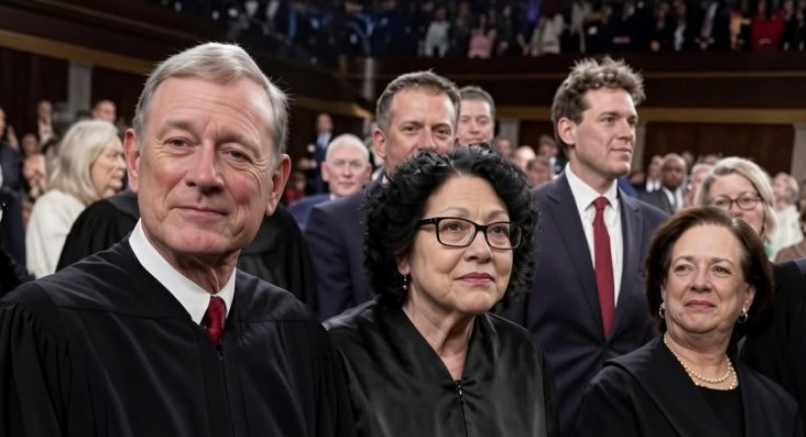
The Supreme Court ultimately declined to intervene, allowing the lower-court proceedings to continue. However, the justices made clear that the government could seek further relief if the district court proceeds with discovery before the Supreme Court decides whether to hear a full appeal.
The ruling does not resolve the underlying constitutional dispute. Instead, it allows the immigration judges’ lawsuit to continue while the lower court examines questions surrounding the federal administrative review process.
The case could ultimately have broader implications for federal employees, First Amendment protections and the balance between presidential authority and independent administrative bodies.